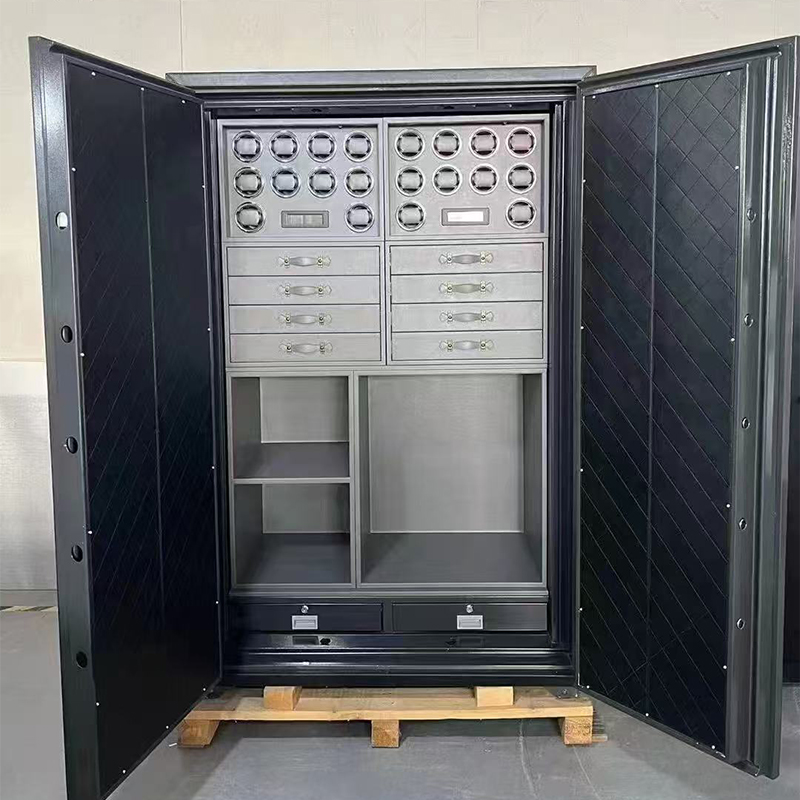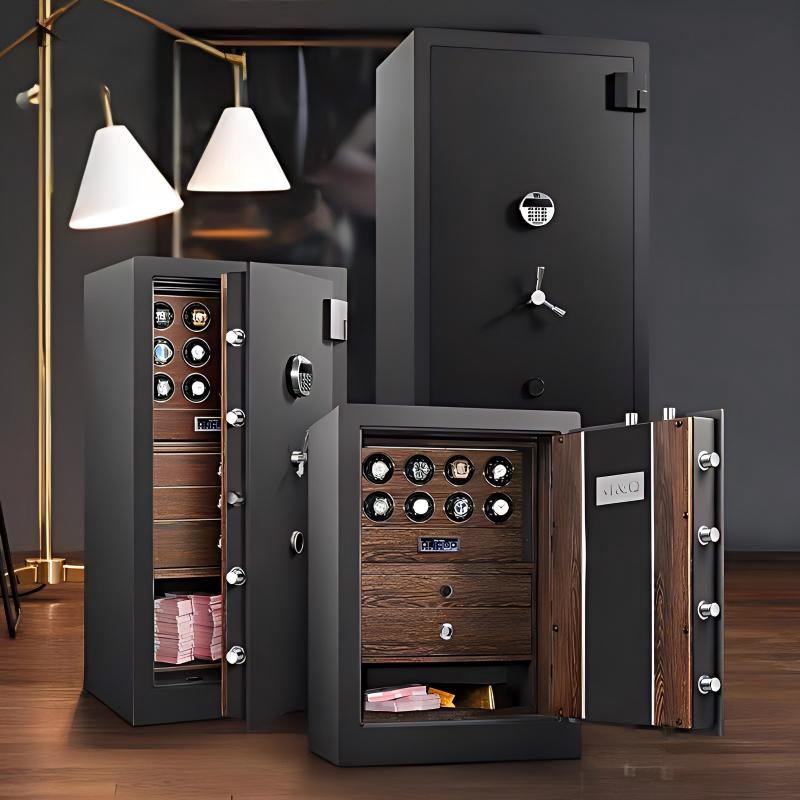
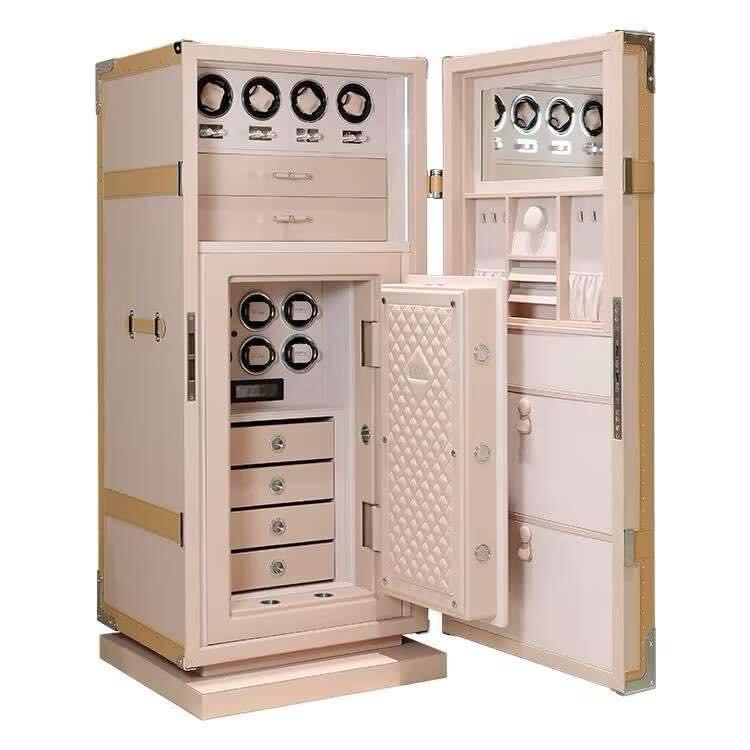
There is a persistent misconception among even experienced collectors that a watch winder is a luxury accessory — a beautiful object that serves primarily aesthetic purposes, not a functional necessity. This view, while understandable, misunderstands the mechanical reality of the automatic movement.
An automatic watch that sits unworn for more than 24 to 48 hours will stop. When it stops, the oils that lubricate its several hundred moving parts begin to pool and, over extended periods of disuse, to congeal. A winder is not indulgence — it is maintenance.
The Mechanical Argument
Modern mechanical lubricants — the synthetic oils used in haute horlogerie movements — are engineered to remain in place and perform at precise viscosities when the movement is running. When the movement stops, gravity acts on these lubricants and they migrate to the lowest point of their respective reservoirs.
In a watch that stops and restarts frequently, this migration is inconsequential. In a watch that sits unworn for weeks or months, it is not. Lubricant that has pooled must be redistributed before it can perform its function — and until it is, the movement runs dry in some areas and oversaturated in others.
"A Patek Philippe service costs upward of $1,500. A quality watch winder that reduces the frequency of that service is not an expense — it is a return on investment measured in years and thousands of dollars."
The Power Reserve Argument
Every automatic watch has a mainspring with a finite power reserve — typically between 38 and 72 hours, depending on the calibre. When a watch runs down and restarts, it does so at the lowest point of its power reserve, where mainspring torque is at its most inconsistent.
This matters because timekeeping accuracy in a mechanical watch is directly related to mainspring tension. A watch kept continuously wound by a winder operates perpetually near the optimal tension point, resulting in demonstrably better timekeeping than one that is regularly allowed to stop and restart.
The implication for complications
For watches with complications — perpetual calendars, tourbillons, minute repeaters — the case for continuous winding is even stronger. These mechanisms are calibrated to function at a specific and consistent power level. Perpetual calendar watches, in particular, can require manual correction of every complication when they stop — a process that, done incorrectly, can damage the mechanism.
The Preservation Argument
A mechanical watch serviced on schedule by a qualified watchmaker will outlast its owner. A mechanical watch serviced intermittently, or run regularly to zero power reserve, will show accelerated wear and may require component replacement rather than simple servicing.
The mathematics are straightforward:
- Average Swiss watch service cost: $400–$2,500 depending on the manufacture and complication level
- Recommended service interval: every 5–10 years under normal use
- Service interval for a poorly maintained watch: every 3–5 years, with a higher probability of component replacement
- Estimated lifetime service savings from proper winding: significant, across a collection of five or more watches
A winder does not eliminate the need for service. No mechanical device operates indefinitely without maintenance. But it meaningfully extends service intervals and reduces the likelihood of wear-related damage between services.
The Practical Argument
Beyond mechanical preservation, a watch winder solves a practical problem that every rotating-collection owner faces: a watch that has stopped requires resetting. Not merely the time and date, but all complications — day, month, year, moon phase, second time zone.
For a collector rotating between five or six watches, this resetting becomes a ritual that many find more tedious than meditative. A winder eliminates it entirely. Every watch in the winder is ready to wear immediately, without adjustment.
"The finest watch in the world is only as useful as its current accuracy. A winder ensures that accuracy is always maintained — so your watches are always ready when you are."
What a Winder Cannot Do
In the interest of precision, it is worth noting what a watch winder does not do. It does not replace professional servicing. It does not repair existing wear. It does not protect against water ingress, shock damage, or magnetic exposure. And it does not substitute for proper storage when a watch is not in the winder — a scratch-resistant case or watch roll remains appropriate for transport.
A winder is one component of a considered approach to collection care — perhaps the most important one, but not the only one.
Choosing a Winder Worthy of Your Collection
Given that the purpose of a winder is to preserve your watches, the quality of the winder itself is not a peripheral concern. A poorly made winder with a vibrating motor, excessive electromagnetic output, or inaccurate rotation timing could, in the worst case, introduce the very problems it is meant to prevent.
At WindNeo, every winder is built around Swiss-made silent motors that operate within the electromagnetic tolerance thresholds established by Swiss watch manufacturers themselves. This is not a coincidence — it is the minimum acceptable standard.
Your collection deserves nothing less.