Selecting a watch winder is, at its core, an act of care. You are choosing a mechanical companion that will tend to your most treasured timepieces in your absence — maintaining their calibration, preserving their lubricants, ensuring they are always ready to be worn at a moment's notice.
The market offers options at every price point, from mass-produced units to bespoke cabinetry. Understanding what separates them will help you make a decision worthy of the watches in your collection.
1. Understand Turns Per Day (TPD)
The single most important technical specification of any watch winder is its Turns Per Day setting, commonly abbreviated as TPD. Different automatic movements require different winding thresholds — and more is not always better.
Most Swiss mechanical movements require between 500 and 1,000 turns per day to maintain power reserve. However, a watch wound far beyond its requirement can experience increased rotor wear and degraded mainspring tension over time.
"A quality winder should allow you to set precisely the TPD your specific movement requires — not force a one-size-fits-all rotation cycle on every watch in your collection."
Reference TPD requirements by brand
- Rolex (most models) — 650 TPD
- Patek Philippe — 650–800 TPD
- Audemars Piguet — 800 TPD
- IWC — 900 TPD
- A. Lange & Söhne — 650 TPD
- Jaeger-LeCoultre (most models) — 650 TPD
A winder without adjustable TPD is a liability, not an asset. When evaluating any unit, confirm that the rotation cycle can be configured to match your watches specifically.
2. Rotation Direction Matters
Automatic movements wind via a rotor that spins in response to wrist movement. Depending on the movement architecture, your watch may wind in one direction only — clockwise, counter-clockwise — or in both.
Clockwise Only
- Rolex (most Cal. 3135, 3235)
- Omega (most ETA-based)
- Breitling (most models)
- TAG Heuer (most models)
Bi-Directional
- Patek Philippe
- Audemars Piguet
- Jaeger-LeCoultre
- A. Lange & Söhne
A winder that rotates perpetually in the wrong direction for your movement will do exactly nothing — the rotor spins freely without engaging the winding mechanism. Always verify the rotation direction requirement for your specific calibre before configuring the winder.
3. Motor Quality Is Non-Negotiable
The motor is the heart of your watch winder. Poor-quality motors generate vibration and electromagnetic interference that can, over extended periods, disrupt the delicate balance of your movement and magnetise components.
There are broadly three motor categories available in the market:
- Swiss-made silent motors — Ultra-low vibration, zero electromagnetic emission, designed specifically for horological use. Found in professional-grade winders.
- Japanese stepper motors — Reliable mid-range option, minimal vibration, used in quality consumer winders.
- Generic DC motors — Inexpensive, often vibrate, can produce heat and electromagnetic fields. Unsuitable for luxury timepieces.
At WindNeo, every unit is built around Swiss silent motors. This is not a marketing claim — it is a prerequisite for any product bearing our name.
4. Capacity: Match Your Collection, Not Your Ambitions
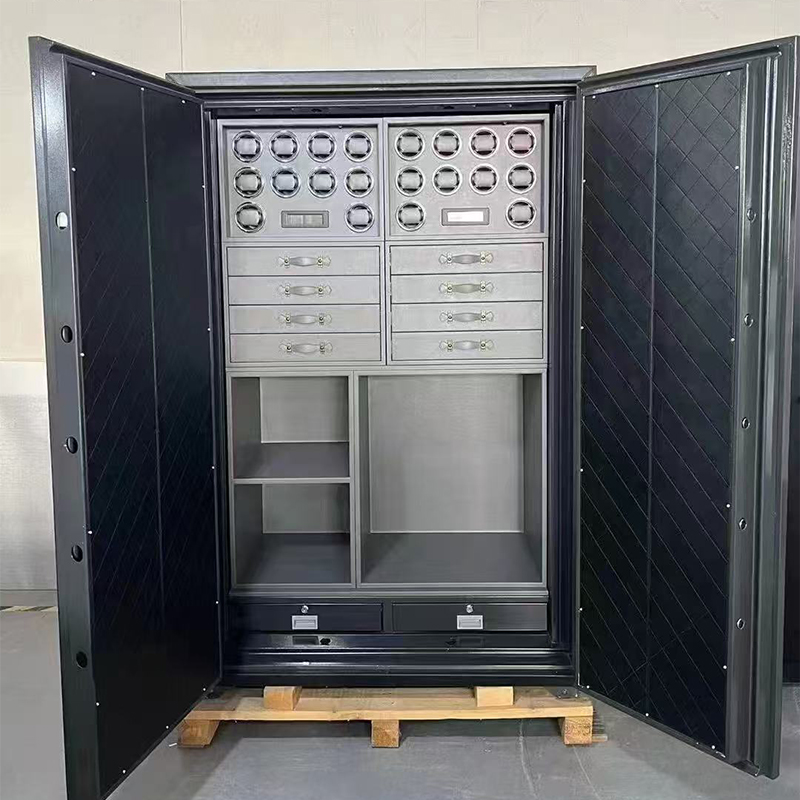
A common mistake is over-specifying capacity. A winder housing twelve slots when your active rotation only requires three means nine motors running continuously, consuming energy, generating unnecessary wear, and cluttering the unit with empty cushions.
A considered approach to capacity:
- Count the watches you rotate regularly, not the total in your collection
- Add a 30–40% buffer for foreseeable growth
- Consider a modular system if your collection is actively expanding
- Reserve display space for watches you wear, not those in long-term storage
5. Security: The Other Half of the Equation
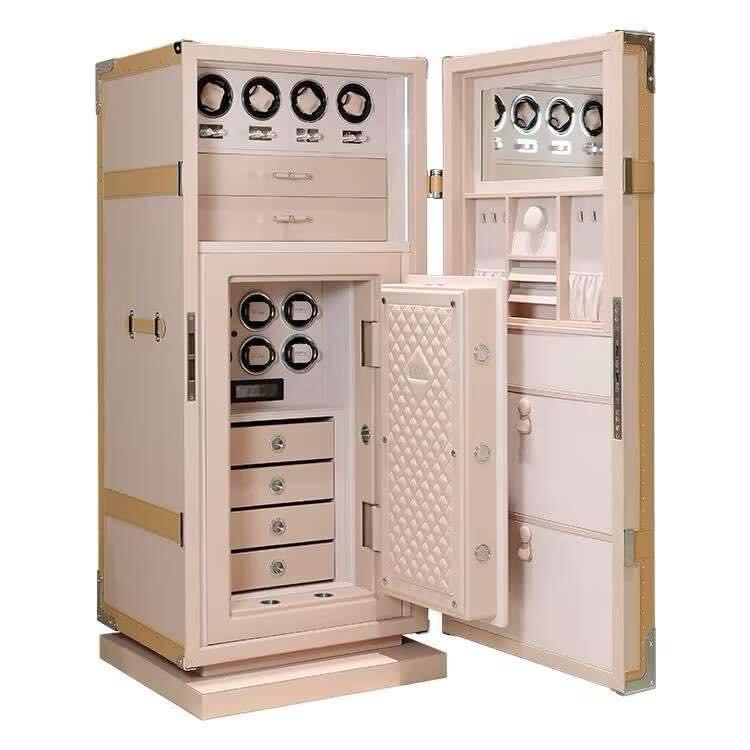
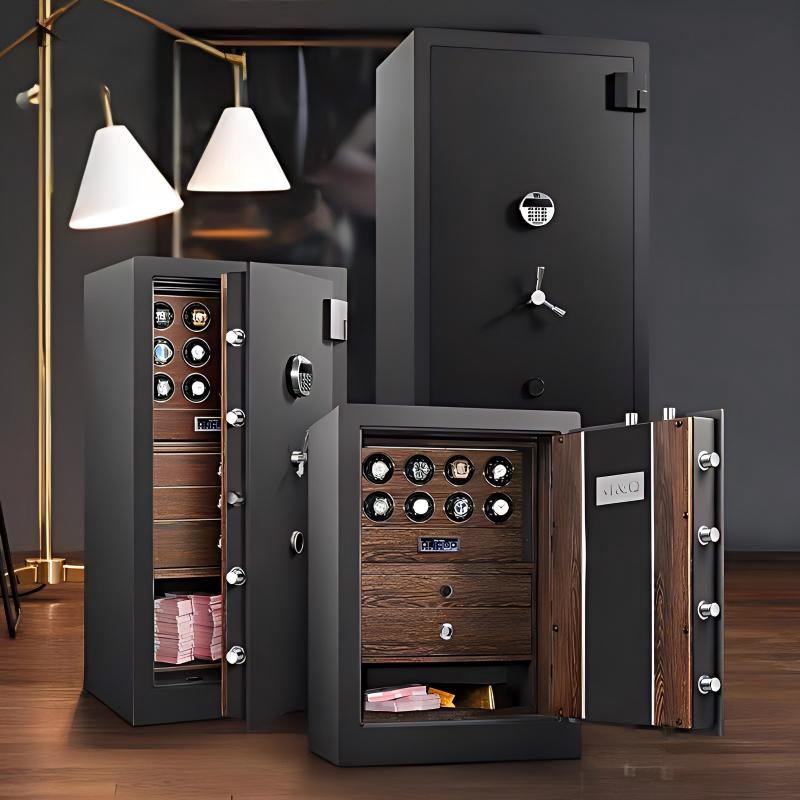
A watch winder that stores your collection deserves security commensurate with the value within. Entry-level winders typically offer no security whatsoever — a decorative hinge and magnetic closure being the extent of their protection.
Security features worth evaluating:
- Biometric fingerprint lock — Highest convenience and access control; no keys or codes to lose
- Electronic passcode — Reliable, no moving mechanical lock parts to wear or jam
- Mechanical key lock — Traditional, requires careful key management
- Concealed hinges and tamper-resistant panels — Structural security, not just lock security
"The watches inside a quality winder may represent decades of accumulated wealth. The security mechanism should reflect that — not be an afterthought added to justify a premium price."
6. Materials and Craftsmanship
A watch winder lives on a dressing table, in a study, or beside a bedside cabinet — environments where it will be seen daily and handled regularly. The materials used must perform visually and physically over decades of use.
Consider the following when evaluating construction:
- Exterior material — Solid hardwood (walnut, ebony, maple), brushed aluminum, or leather wrap; avoid hollow MDF with veneer
- Interior lining — Italian full-grain leather or alcantara; avoid synthetic felt which attracts dust and degrades rapidly
- Watch pillows — Should be removable, adjustable in diameter to fit different lug widths, and covered in leather rather than fabric
- Joinery — Dovetail or box joints in wood; seamless welding in metal; inspect corners and edges for finish quality
Making Your Decision
The ideal watch winder is not the most expensive one available, nor the one with the most features. It is the one precisely calibrated to your collection's requirements — the right capacity, the correct rotation settings, a motor worthy of your movements, and a construction that will outlast everything it houses.
If you are uncertain which WindNeo model best suits your collection, our horological consultants are available to discuss your specific needs in detail — without obligation.